
Tufted vs Non-Tufted Mattresses:
What’s the Difference?
Choosing a mattress can feel like solving a riddle whispered by your own spine. One of the key puzzles? tufted vs non-tufted mattresses. They might sound like interior design terms scattered from a sofa store, but the difference touches comfort, durability, feel, and even how long your mattress will stay happy and supportive. Let’s explore the mattress tapestry and untangle what these terms really mean.
What Does “Tufted” Actually Mean?
In mattress language, tufting refers to the way layers inside are held together.
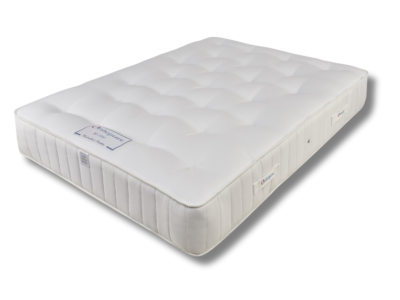
In a tufted mattress, strong cord pierces through all layers — from one side of the mattress to the other — and are secured with a button or “tuft”. Think of it as gently “pinning” the layers together so they don’t shift over time.
This creates tiny indentations (or tuft marks) along the surface that give the mattress a quilted, dimpled look.

Why Manufacturers Tuft
- Keeps all internal layers locked in place
- Prevents shifting and clumping for a firmer feel
- Enhances durability
- Helps maintain mattress shape over years
What Is a Non-Tufted Mattress?
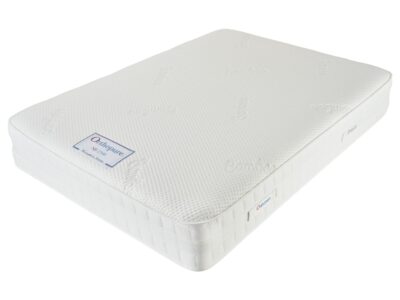
A non-tufted mattress does not have these stitched-through anchors. Instead, it relies on high-quality adhesives, foam layers, and internal zoned support systems to keep everything snug and aligned.
Without tufting, the surface tends to be smoother and sometimes softer or more contoured, depending on the materials used. Over time, these layers settle more in the areas where the body sleeps to conform to your shape.
Tufted vs Non-Tufted: Key Differences
Let’s break this down so you can see how these two styles impact real comfort and performance:
🟡 1. Feel and Surface Texture
Tufted Mattress:
- Slight indentations where tufts are sewn
- Feels more “structured”
- Often firmer feel
Non-Tufted Mattress:
- Smooth, unbroken surface
- Can feel softer or more conforming
- Moulds to your body shape
🔧 2. Durability and Shape Retention
Tufted:
Tufting acts like tiny anchors that keep foam layers from shifting or clumping over time. For traditional innerspring or hybrid builds, this can mean longer shape retention.
Non-Tufted:
Advanced foams and layering techniques now rival tufted durability, especially in premium models — but softer memory foam versions often show body impressions earlier.
💨 3. Airflow and Breathability
Interestingly, tufting itself doesn’t make a mattress hotter or cooler — airflow mostly depends on the type of fillings and support systems used. However:
- Natural filled mattresses often feel cooler.
- Memory foam and hybrids tend to feel warmer.
So climate comfort is more about materials than tufting.
🔄 4. Aesthetic and Build
Tufted mattresses tend to have a classic, hotel-style look with visible buttons or stitch patterns.
Non-tufted mattresses lean modern and sleek — often preferred in minimalist or contemporary bedrooms.
It’s worth noting that a tufted double sided mattress will feel softer on a sprung slatted base whereas the flat bottomed surface of a single sided mattress will absorb this. both are ideal for divan platform type bases.
Most Popular Tufted Mattresses
Medium Feel

1000 Pocket Springs with Poly-Cotton Fillings
Firm Feel
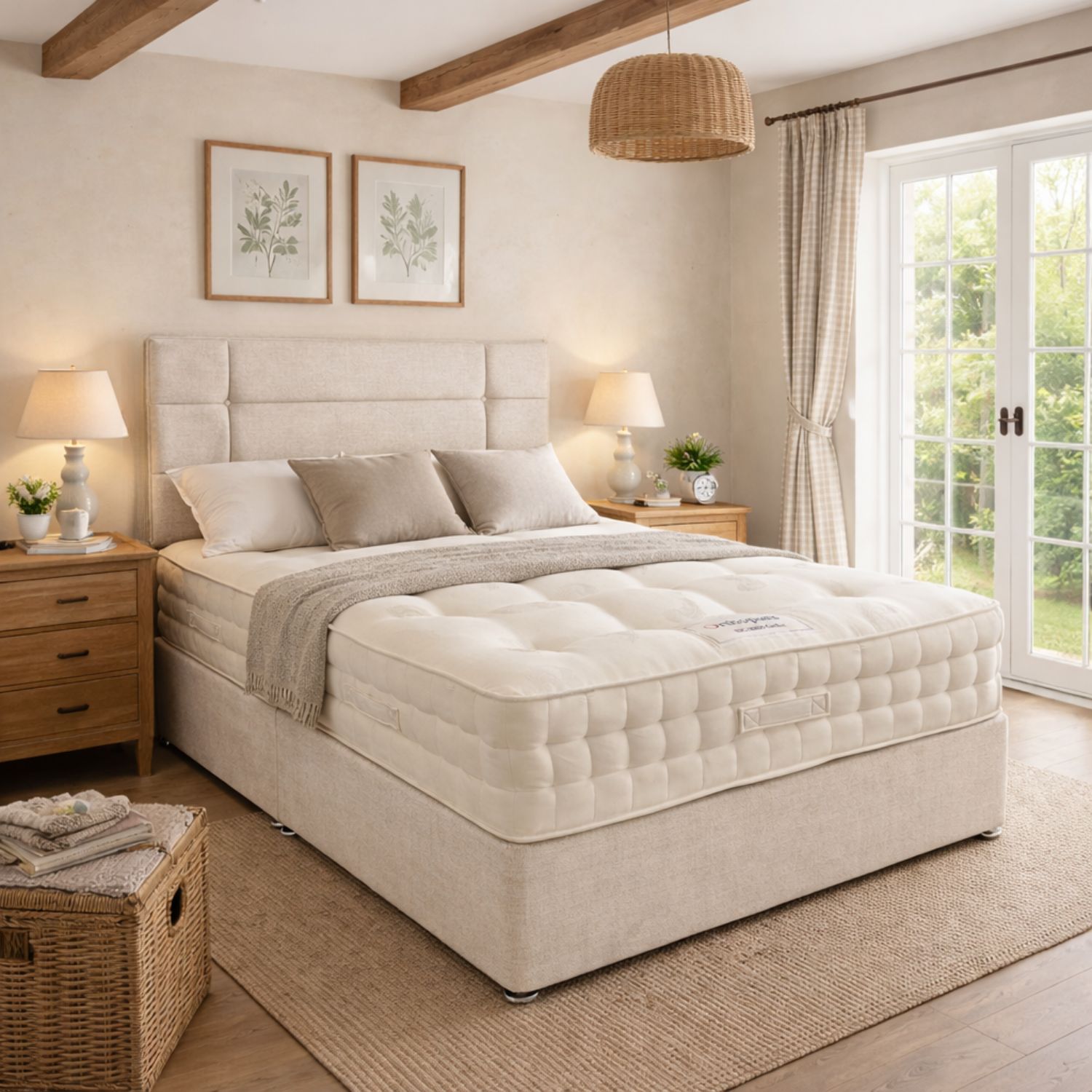
2000 Pocket Springs with Natural Fillings
Medium Feel
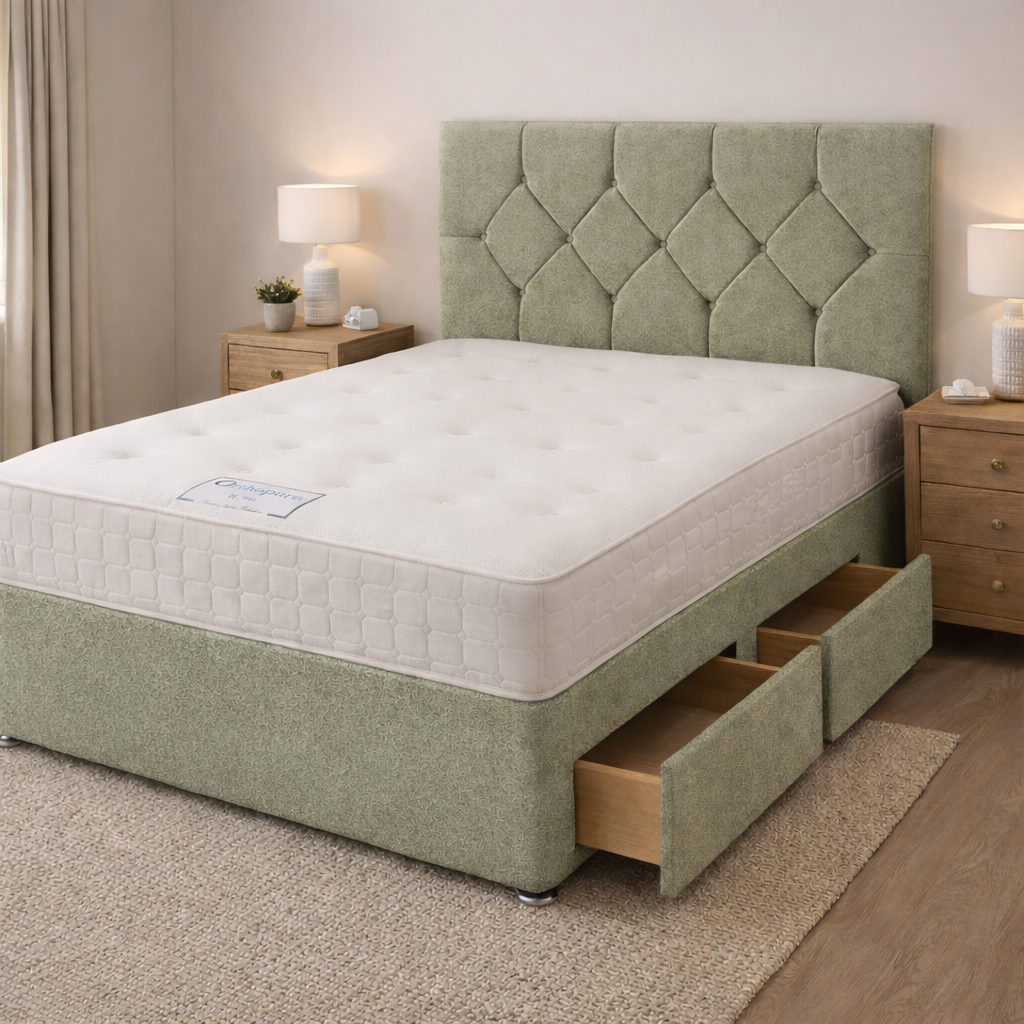
Open Coil Spring Mattress
Medium/Firm Feel
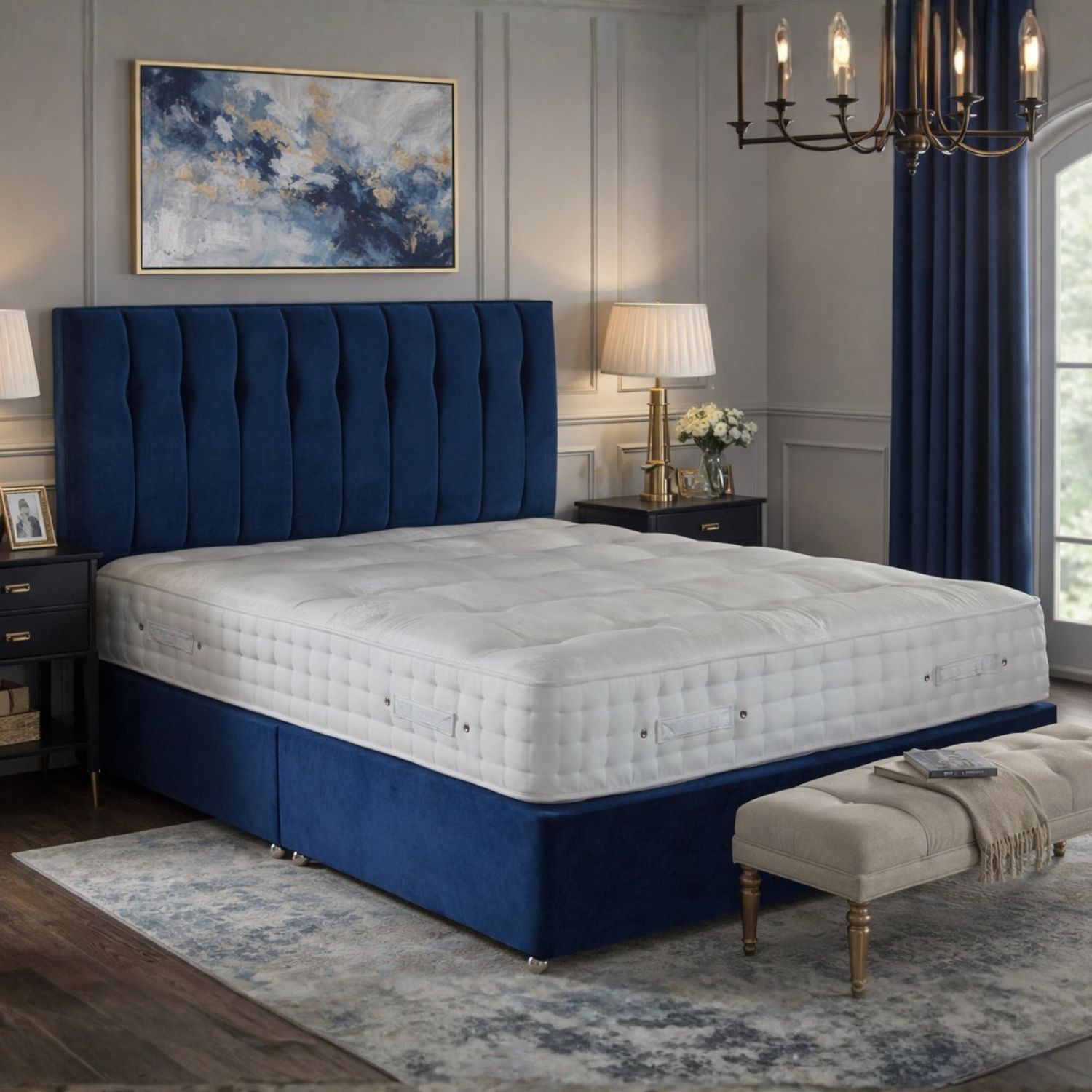
6000 Pocket Springs with Natural Fillings
Most Popular Non-Tufted Mattresses
Medium Feel
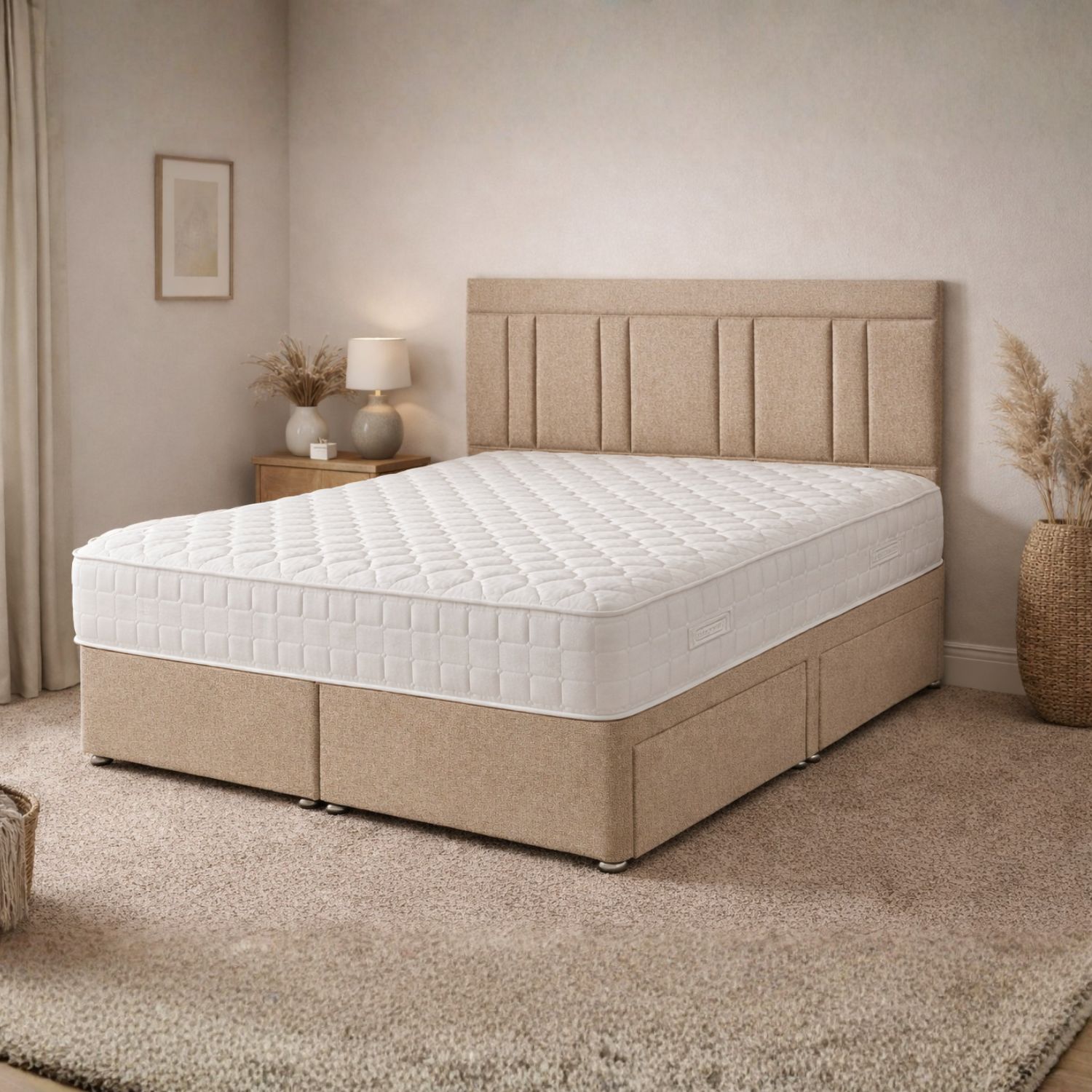
1500 Pocket Springs with Natural Latex
Medium/Firm Feel

1500 Pocket Springs with reversable topper
Medium Feel
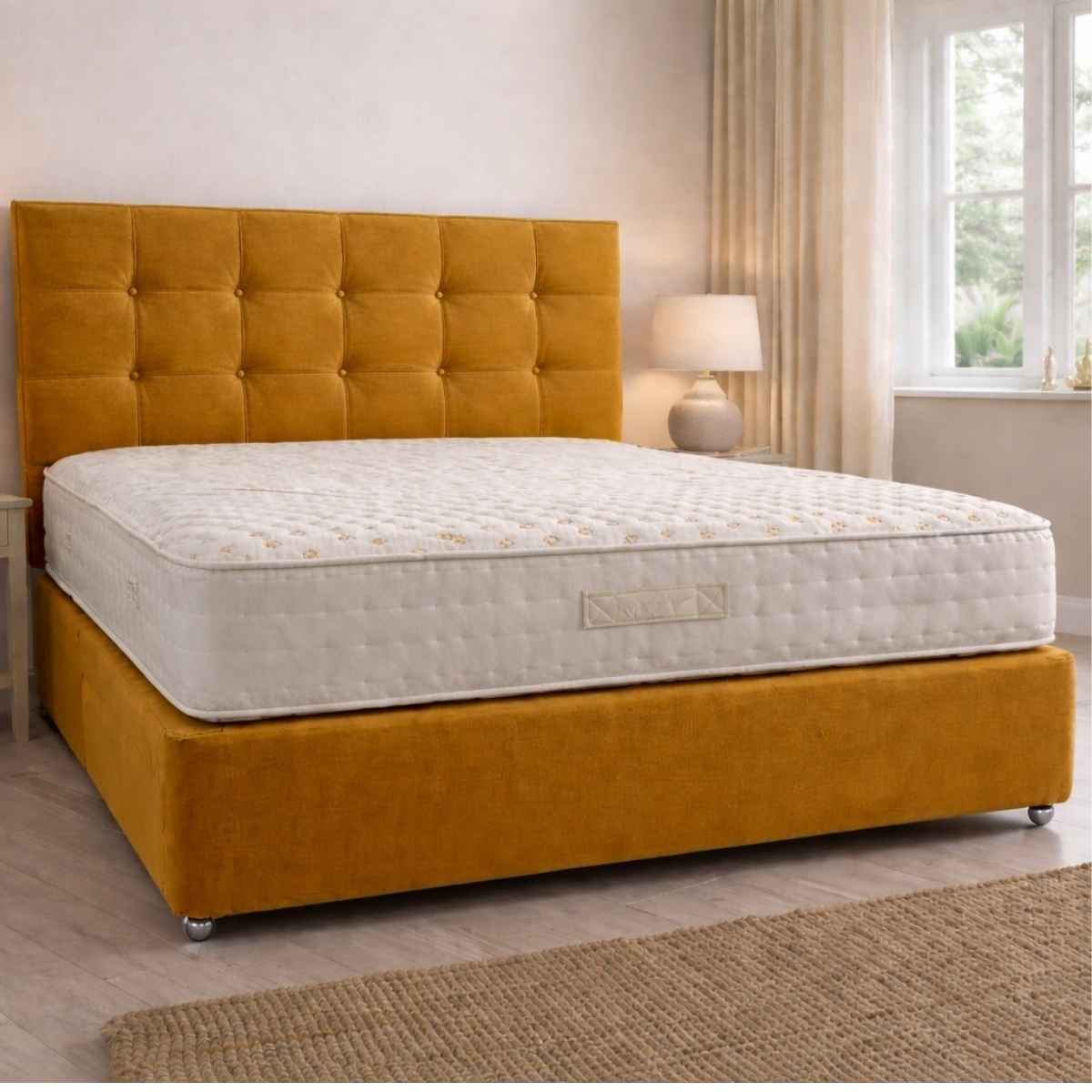
3000 Pocket Springs with Gel Foam
Soft Feel
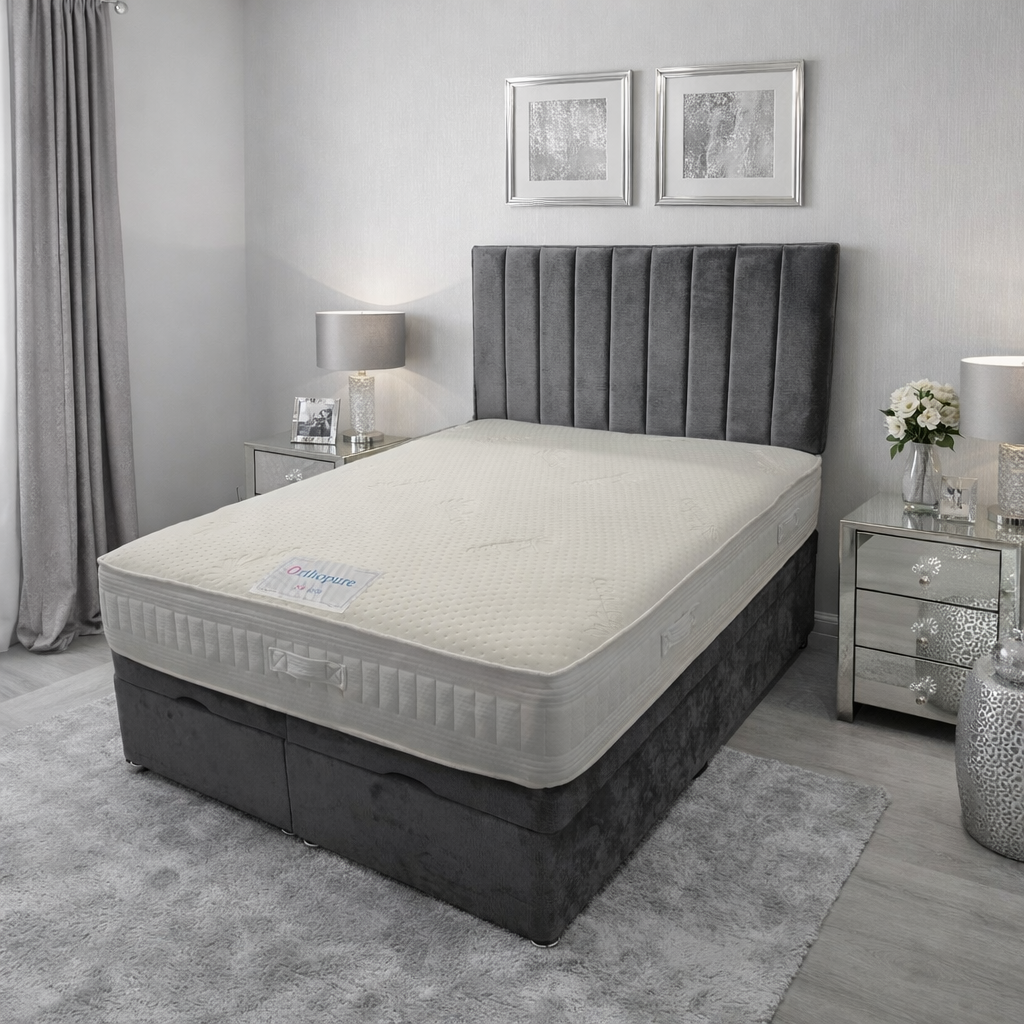
1500 Pocket Springs with Natural Fillings
Which One Should You Choose?
Here’s a quick guide based on your sleep style:
🛏 Choose Tufted If:
- You want strong internal stability
- You prefer a traditional, classic mattress feel
- Durability and shape retention are priorities
- You like the look of tufted quilting
Good for: sleepers who want a firmer, structured feel and long-term resilience.
🛏 Choose Non-Tufted If:
- You like smooth, contouring comfort
- You prefer modern foam or hybrid designs
- You enjoy pressure-relieving softer feel
- You want a mattress that adapts closely to your body
Great for: side sleepers, foam lovers, people who enjoy a “hugging” feel.
A Note on Price
Both types can be found at both ends of the market. Lower priced tufted mattresses tend to have polyester, cotton or occasionally foam fillings, non tufted mattresses often contain foam fillings and are usually single sided. Premium mattresses with high quality natural fillings are almost always hand tufted and finished with hand side stitching to reinforce the sidewalls.
Final Thoughts
Tufted and non-tufted are labels about how a mattress is built, not about how “good” it is. The right choice depends on how you like to sleep:
- Structured and supportive? Tufted might be your mattress soulmate.
- Softly moulding and adaptive? Non-tufted could be the dream fit.
Whichever side of the cushion you land on, understanding this difference lets you shop with confidence — and sleep like royalty 👑💤.
Leave a Reply
You must be logged in to post a comment.