

MOST COMMON SLEEP STYLE
Side Sleeper
Sleeping on your side is one of the most common ways to sleep, but it places particular demands on your mattress. The right combination of support and cushioning can make a big difference to how comfortably your shoulders, hips and spine are supported through the night.
Why it can work well
Side sleeping can encourage a comfortable spinal position when the mattress and pillow provide the right support. Some people also find side sleeping helps reduce snoring compared with sleeping on their back.
Things to watch for
Your shoulders and hips become the main pressure points. If the mattress is too firm, they can’t settle comfortably into the surface. Too soft, however, and your hips can sink too far, leaving your spine poorly supported.
MATTRESS MEDICS TIP
Try a pillow between your knees. It can help prevent the upper leg dropping forward and twisting the hips while you sleep.

What to Look for in a Mattress
when choosing a the best mattress for your sleeping position, forget the idea that every side sleeper needs a soft mattress. Your body weight, build and personal comfort preference matter too.
Look for pocket sprung options, where the individual springs respond independently to your body and provide support where you need it most.
Then consider what’s above the springs. The comfort layers determine how much cushioning you feel around areas such as your shoulders and hips. If you need greater pressure relief, compare traditional pocket sprung mattresses with hybrid models or deeper comfort layers to find the right balance of cushioning and support for you.
Mattress Medics Top Picks for Side Sleepers
We recommend these because they combine pocket sprung support with the pressure relief a side sleeper needs.
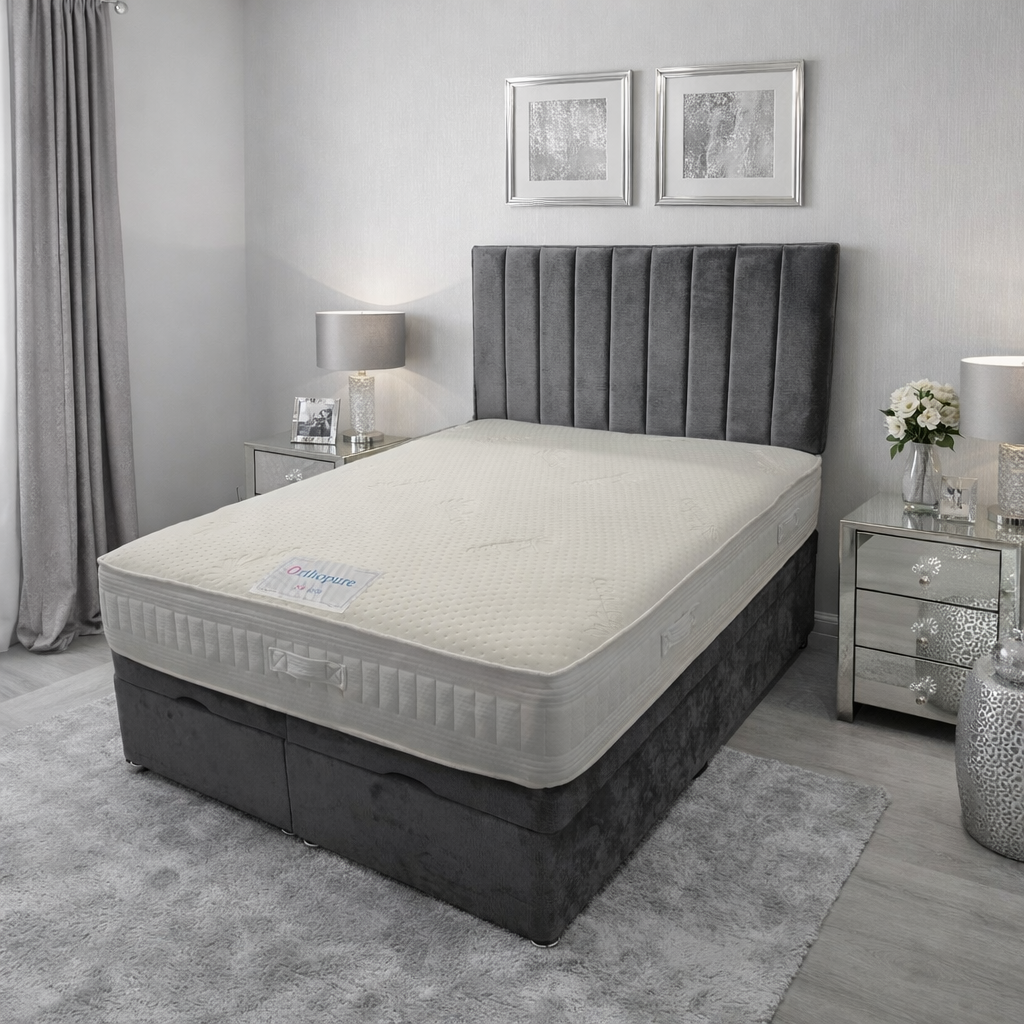
Naturally Evolved 1500 Pocket
A softer, more cushioning option designed to ease pressure around the shoulders and hips.
View Mattress →
Hotel Collection 1500 Premier Pocket
A balanced combination of support and comfort for side sleepers who prefer a medium feel.
View Mattress →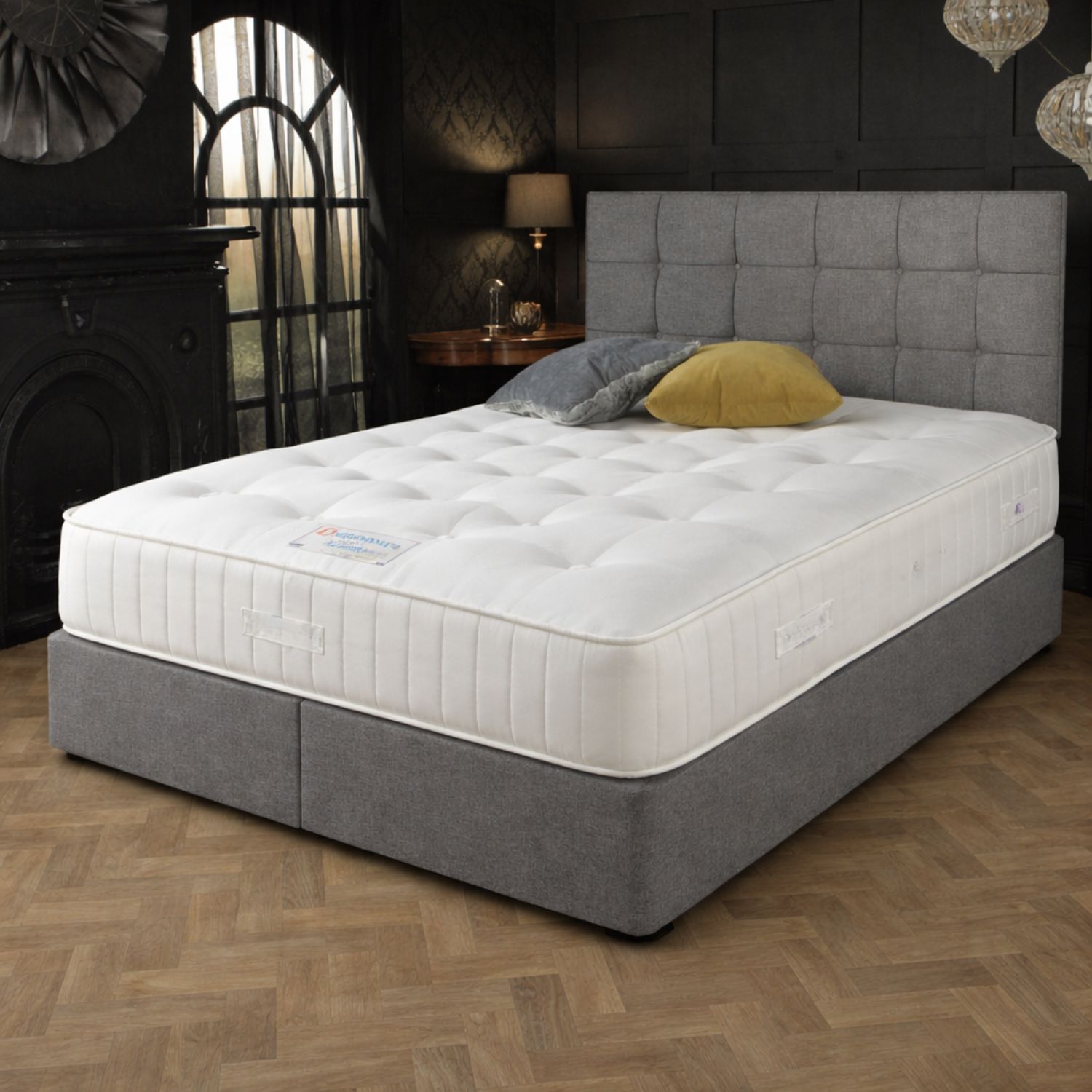
Hotel Collection 2000 Pocket
A more supportive option for sleepers who want pressure relief without too much sink.
View Mattress →Balanced and supported
Back Sleeper
Back sleepers tend to spread their weight more evenly across the mattress, so the key is finding a comfortable balance between support and cushioning.
Why it can work well
Sleeping on your back naturally spreads your body weight across a wider area of the mattress. With the right support, it can help keep your head, neck and spine comfortably aligned without concentrating pressure heavily on one particular area.
Things to watch for
The key area for a back sleeper is often the lower back and hips. If your mattress is too soft, your hips can sink too deeply and pull your spine out of its natural position. But don’t assume that firmer automatically means better. A mattress that’s too firm may leave the lower back without enough contouring and support.
MATTRESS MEDICS TIP
Try placing a small pillow underneath your knees. Raising them slightly can help maintain the natural curve of your lower back and may make back sleeping feel more comfortable.

What to Look for in a Mattress
Forget the idea that a back sleeper simply needs a firm mattress. Support and firmness aren’t the same thing.
Look for a mattress that allows your hips to settle comfortably while still supporting your lower back. Pocket springs are a particularly good option because the individual springs respond independently to different areas of your body rather than behaving as one solid unit.
The comfort layers matter too. You want enough cushioning to contour comfortably around your body, but not so much that your hips disappear into the mattress. Your body weight, build and preferred feel will determine whether medium, medium-firm or firmer support feels right for you.
Mattress Medics Top Picks for Back Sleepers
We recommend these because they provide the balance of underlying support and comfortable contouring that back sleepers need.
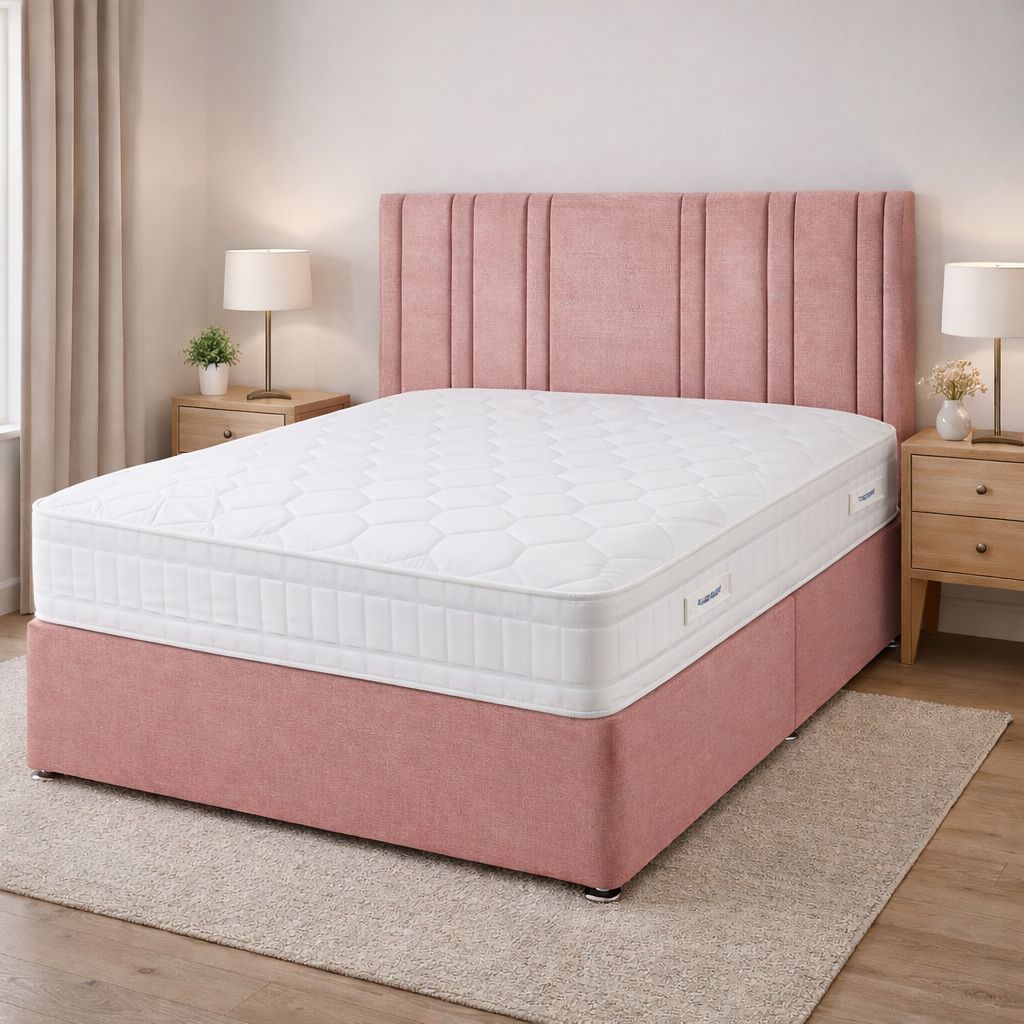
Hotel Open Coil 800
Open Coil spring support gives a firm feel and less drop into the mattress for your hips
View Mattress →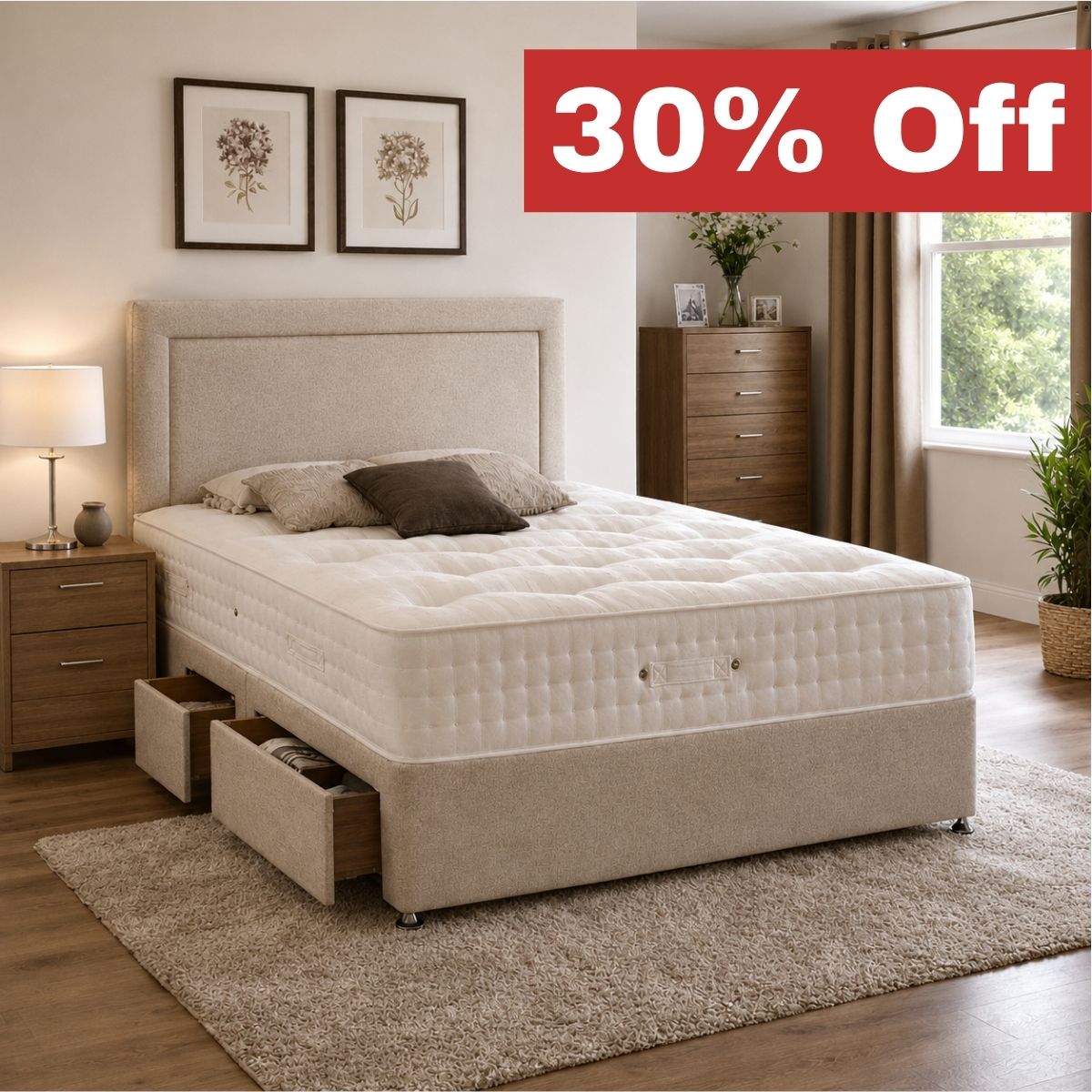
Natural Collection 2000 Pocket
A firm feel mattress with natural comfort layer of lambswool
View Mattress →
Hotel 1500 Premier Pocket
A medium/firm feel makes this mattress perfect for back sleepers and sidesleepers
View Mattress →keep the middle supported
Front Sleeper
Front sleepers usually need to be a little more careful about choosing a mattress that allows the body to sink too deeply, particularly around the hips and stomach.
A mattress that is too soft may allow the middle of the body to dip lower than the chest and legs, while an excessively hard surface can feel uncomfortable. The aim is to find enough underlying support to keep the body feeling level, with enough surface comfort to avoid unnecessary pressure.
Why it can work well
Front sleeping can feel comfortable for people who prefer a flatter, more stable sleeping position. A supportive mattress can help prevent the hips and abdomen sinking too deeply, keeping the body in a more neutral position through the night.
Things to watch for
The main concern for front sleepers is too much sink around the middle of the body. If the mattress is too soft, the hips can drop lower than the shoulders and legs, which may place additional strain on the lower back. Front sleepers also need to consider pillow height, as a thick pillow can push the head and neck further backwards.
MATTRESS MEDICS TIP
Try a lower-profile pillow. Front sleepers often need less height beneath the head to avoid putting unnecessary strain on the neck.

What to Look for in a Mattress
Look for a mattress that provides good support through the centre of the body without feeling unnecessarily hard. Medium-firm and firm mattresses are often worth considering, particularly if you tend to sink around the hips. A responsive spring system can also help distribute your weight more evenly and make changing position easier.
The comfort layers matter too. You want enough cushioning to contour comfortably around your body, but not so much that your hips disappear into the mattress. Your body weight, build and preferred feel will determine whether medium, medium-firm or firmer support feels right for you.
Mattress Medics Top Picks for Front Sleepers
We recommend these because they combine firm support with deep cushioning layers
Hotel Collection 2000 Pocket
A firm supportive option ideal for front sleepers
View Mattress →
Hotel Collection 1500 Premier Pocket
A balanced combination of support and comfort for front sleepers who prefer a medium feel.
View Mattress →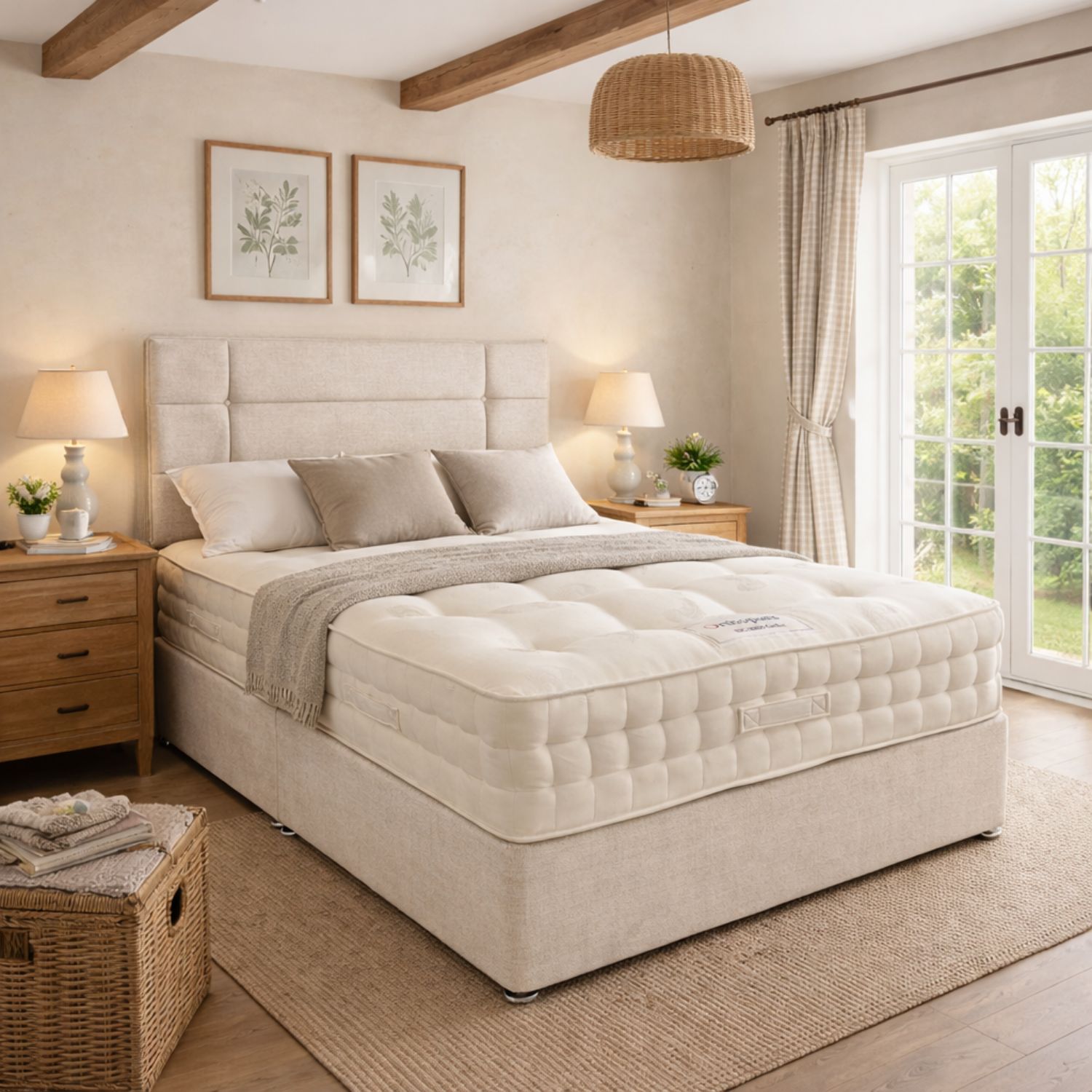
Natural Collection 2000 Pocket
Natural fibres hug the body without sinking in too much. Available in medium and firm options
View Mattress →keep the middle supported
Combination Sleeper
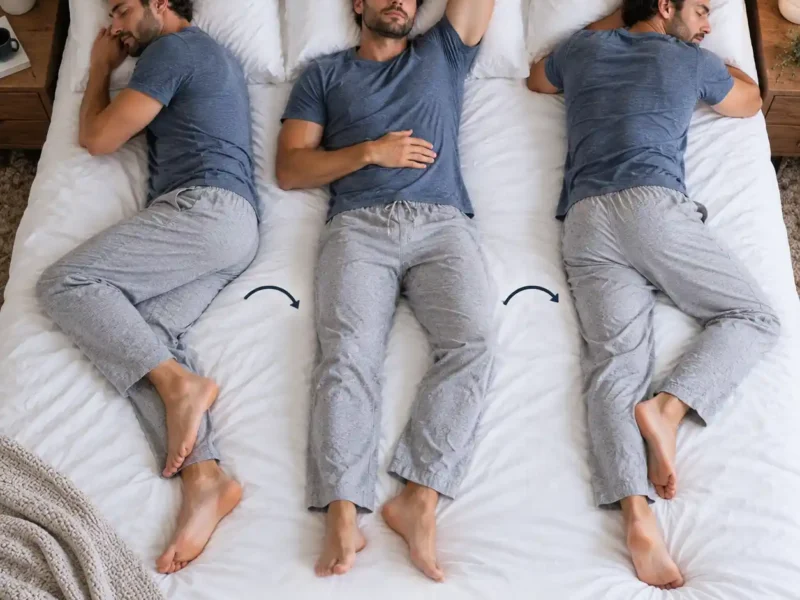
Combination sleepers change position regularly throughout the night, perhaps moving between their side, back and front. This means the mattress needs to cope with different pressure points and support needs, while still making it easy to turn and move comfortably.
Why it can work well
Combination sleeping allows you to naturally change position throughout the night, which can help relieve pressure from spending too long in one position. The key is having a mattress that feels comfortable and supportive whether you move onto your side, back or front.
Things to watch for
A mattress that works brilliantly in one position may feel less comfortable in another. Too firm can create pressure around the shoulders and hips when side sleeping, while too soft may allow the hips to sink too deeply when you move onto your back or front.
MATTRESS MEDICS TIP
Think versatility rather than perfection. If you regularly sleep in several positions, choose a mattress that feels comfortable across all of them rather than one designed around a single sleeping position.
What to Look for in a Mattress
Look for a mattress with a balanced combination of cushioning, support and responsiveness. Medium and medium-firm mattresses are often useful starting points, while a responsive spring system can make it easier to turn and change position during the night.
Mattress Medics Top Picks for Combination Sleepers
We recommend these because they combine firm support with deep cushioning layers

Hotel Collection 1000 Pocket
A medium feel traditional hotel type mattress
View Mattress →
Hotel Collection 1500 Premier Pocket
A balanced combination of support and comfort for combination sleepers who prefer a medium feel.
View Mattress →
Naturally Evolved 1500 Pocket
A softer, more cushionined option designed to hug the body
View Mattress →
Leave a Reply
You must be logged in to post a comment.